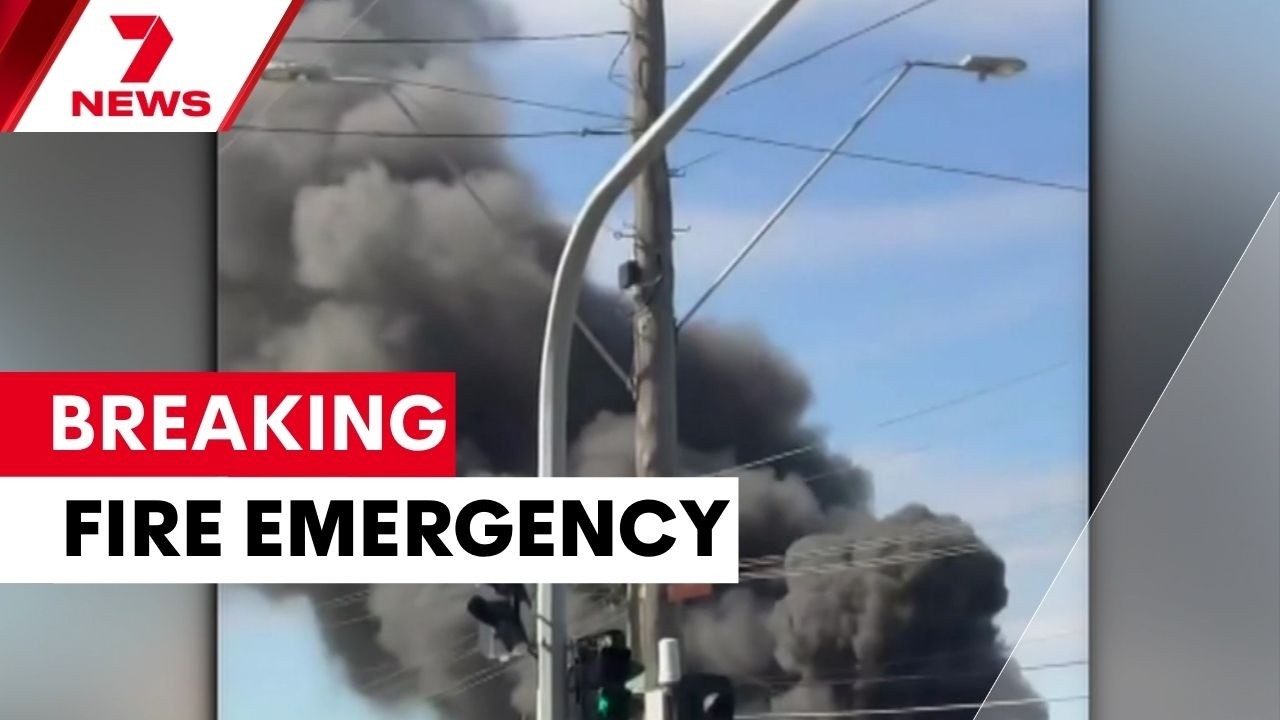
The recent industrial incident in North Geelong, which saw multiple explosions at a business on Thompson Road and Armstrong Street, served as a stark reminder of the potential dangers posed by hazardous materials in urban environments. What began as an urgent “EMERGENCY WARNING - EXPLOSIVE HAZARD - Leave Immediately” has since been downgraded to an “Advice - Hazardous Materials - Threat is Reduced,” bringing a collective sigh of relief to the community. This article delves into the specifics of the North Geelong event, the critical transition from an extreme hazard to a reduced threat, and the invaluable lessons learned regarding emergency response and hazardous materials management.
Understanding the Initial Crisis: Emergency Geelong Explosions and Immediate Danger
On Tuesday, March 3, 2026, at approximately 4:06 pm, the quiet of North Geelong was shattered by a series of powerful blasts. The incident, centered at a business located at the corner of Thompson Road and Armstrong Street, quickly escalated into a major emergency. Multiple gas bottles were identified as the cause, igniting fears of further explosions and widespread damage. This specific type of incident, involving emergency Geelong explosions, highlights the unpredictable and rapid escalation that can occur when combustible materials are involved.
The immediate response from emergency services was decisive and swift. An Emergency Warning was issued, advising anyone within the designated warning area to “Leave Immediately.” The message was unequivocal: “Do not enter the area - it is extremely dangerous.” This critical phase saw residents evacuating their homes and businesses shutting down, all in the interest of public safety. The gravity of the situation was paramount, with authorities prioritizing human life above all else. For a more detailed account of the initial warnings and the specific details, you can refer to our previous coverage: Emergency Warning: Explosions Rock North Geelong Thompson Road.
The Role of Gas Bottles in Industrial Incidents
The identification of multiple gas bottles as the source of the explosions immediately flagged the incident as high-risk. Gas bottles, commonly used in various industrial and domestic settings for welding, heating, and other applications, contain highly pressurized gases which, if exposed to extreme heat or impact, can rupture violently. The ensuing force and potential for secondary fires or further explosions make such incidents particularly challenging for first responders. The nature of these blasts, as witnessed during the North Geelong event, underscores the critical importance of stringent safety protocols for their storage and handling.
From Extreme Hazard to Reduced Threat: The Downgrade in North Geelong
Just hours after the initial emergency warning, by 6:00 pm on the same day, authorities were able to downgrade the status of the incident to an “Advice - Hazardous Materials - Threat is Reduced.” This crucial shift signifies that the immediate, life-threatening danger had significantly diminished. But what does such a downgrade entail, and what factors contribute to this assessment?
A downgrade from an Emergency Warning to an Advice level indicates several key developments:
- Containment: Emergency services have likely brought the primary source of danger (the exploding gas bottles and any subsequent fires) under control or contained its potential to spread further.
- Assessment: Extensive assessment of the site has confirmed that residual risks are manageable and no longer pose an immediate, widespread threat requiring immediate evacuation.
- Safety Measures: Any remaining hazardous materials are either being safely managed, removed, or monitored, with established safety perimeters in place.
This rapid transition from an “explosive hazard” to a “reduced threat” speaks volumes about the efficiency and professionalism of the emergency services involved. Their coordinated efforts in containing the incident, extinguishing fires, and securing the site were instrumental in mitigating further damage and ensuring public safety. The effective management of emergency Geelong explosions depends heavily on such coordinated responses.
The advice encouraged residents to “Stay Informed,” reflecting that while the immediate danger had passed, vigilance was still necessary as cleanup and investigation continued. This also highlights the ongoing communication strategies employed by emergency services to keep the public updated throughout an evolving crisis.
Enhancing Community Preparedness: Lessons from North Geelong
While the North Geelong incident had a positive outcome with the threat reduction, it serves as a powerful case study for community preparedness and industrial safety. Learning from such events is crucial for preventing future occurrences and ensuring effective responses.
Practical Tips for Hazardous Materials Safety
For both businesses handling hazardous materials and households storing common items like BBQ gas bottles, the North Geelong incident offers vital lessons:
- Proper Storage: Ensure gas bottles and other hazardous chemicals are stored upright, in well-ventilated areas, away from direct sunlight, heat sources, and ignition points.
- Regular Inspections: Periodically check gas bottles and their connections for leaks or damage.
- Clear Labelling: All containers of hazardous materials should be clearly labelled with their contents and associated risks.
- Emergency Plans: Businesses should have comprehensive emergency response plans, including evacuation procedures, designated assembly points, and clear communication strategies. Households should also have an emergency plan.
- Training: Employees handling hazardous materials must receive adequate training on safe handling, storage, and emergency procedures.
- Material Safety Data Sheets (MSDS): Keep MSDS readily accessible for all hazardous chemicals on site.
These measures are not just regulatory requirements but vital practices that can prevent devastating incidents like the initial emergency Geelong explosions.
The Importance of Staying Informed During Emergencies
The advice to “Stay Informed” during the North Geelong incident underscores the critical role of reliable information during a crisis. Authorities utilize various channels, including emergency warning systems, social media, and local media, to disseminate timely updates. Residents are encouraged to:
- Register for Emergency Alerts: Sign up for local emergency warning services.
- Monitor Official Channels: Follow official emergency services social media accounts and websites.
- Have a Battery-Powered Radio: In case of power outages, a radio can be a lifeline for information.
- Prepare an Emergency Kit: Include essentials like water, non-perishable food, first-aid supplies, and important documents.
For more insights into the evacuation warnings and community response, see our article: Geelong Gas Bottle Blasts: Immediate Evacuation Warning Issued.
Conclusion: Building Resilience in Geelong
The North Geelong explosion incident, from its terrifying outset to the reassuring downgrade of the threat, serves as a powerful reminder of the ever-present need for vigilance and preparedness. The swift, coordinated response by emergency services, coupled with clear communication, was instrumental in protecting the community from what could have been a far more tragic event. While the immediate danger of emergency Geelong explosions has been reduced, the lessons learned regarding hazardous materials management, industrial safety, and community preparedness will undoubtedly contribute to building a more resilient and safer Geelong for all its residents and businesses. Continuous education, adherence to safety protocols, and robust emergency planning remain our strongest defenses against future unforeseen hazards.