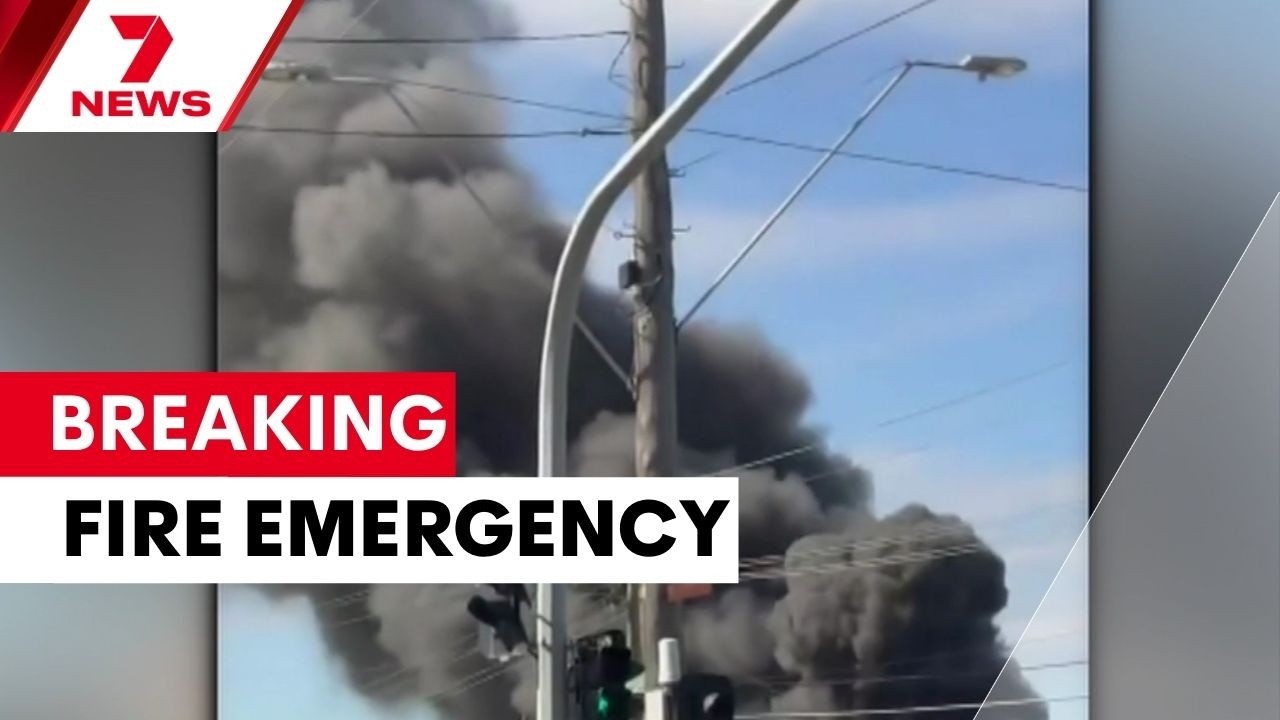
Emergency Warning: Explosions Rock North Geelong Thompson Road
The quiet industrial zone of North Geelong was shattered on the afternoon of Tuesday, March 3, 2026, when a series of explosions rocked a business on Thompson Road. The incident, quickly escalating into an emergency Geelong explosions event, prompted an immediate "Leave Immediately" warning for residents and businesses in the vicinity, highlighting the volatile and unpredictable nature of industrial incidents involving hazardous materials.
At approximately 4:06 pm, emergency services were alerted to multiple blasts originating from a commercial premises situated at the corner of Thompson Road and Armstrong Street. The immediate cause was identified as a number of exploding gas bottles, transforming a routine Tuesday into a critical safety operation. The sheer force and potential danger posed by these explosions necessitated swift and decisive action from authorities, underscoring the paramount importance of public safety in such volatile scenarios.
The Immediate Crisis: Explosions and Evacuation Orders
The initial moments of the incident were characterized by chaos and extreme danger. With gas bottles involved, the threat of further explosions and the spread of hazardous materials was very real. This prompted an urgent Emergency Warning, instructing anyone within the designated warning area to evacuate without delay. The message was clear and stark: "EXPLOSIVE HAZARD - Leave Immediately. Do not enter the area - it is extremely dangerous."
- Incident Location: Corner of Thompson Road and Armstrong Street, North Geelong.
- Date & Time: Tuesday, March 3, 2026, 04:06 pm.
- Cause: Multiple gas bottles exploding.
- Initial Warning: Emergency Warning - EXPLOSIVE HAZARD - Leave Immediately.
This critical warning underscored the immediate threat to life and property. For those living or working near the affected area, the directive was unambiguous – abandon homes and workplaces for safety. The risk wasn't just from the initial blast but also from potential projectiles, fire, and the release of toxic gases, making the immediate evacuation an absolute necessity. Emergency responders, including fire services, police, and hazardous materials teams, rapidly established exclusion zones to contain the danger and protect the wider community.
Navigating an Emergency: Understanding Warnings and Safety Protocols
In any emergency, understanding the different levels of warnings and knowing how to respond is crucial. The North Geelong explosions incident serves as a powerful reminder of this necessity. An "Emergency Warning" is the highest level of alert, indicating an immediate threat to life and property, requiring prompt action such as evacuation.
When an emergency warning is issued:
- Act Immediately: Do not delay. Your life could depend on swift action.
- Follow Instructions: Adhere to evacuation routes and advice provided by emergency services.
- Stay Informed: Monitor official channels (emergency services websites, radio, social media) for updates.
- Prioritize Safety: Leave behind non-essential items; focus on getting yourself and your loved ones to safety.
For residents of North Geelong, receiving such a warning would have been a distressing experience, demanding quick decisions under pressure. It highlights the importance of having an emergency plan in place, knowing your evacuation routes, and having an emergency kit ready. While the specific details of the incident unfolded, the broader community watched, awaiting further updates and hoping for the safety of those affected by the emergency Geelong explosions.
Downgrade and Ongoing Monitoring: From Warning to Advice
As emergency crews worked tirelessly to bring the situation under control, the immediate threat began to recede. By 6:00 pm on the same day, approximately two hours after the initial warning, authorities were able to downgrade the alert status. The Emergency Warning was reduced to an "Advice - Hazardous Materials - Threat is Reduced. Stay Informed."
This downgrade signified a significant improvement in the situation, but it did not mean the danger had entirely passed. An "Advice" level warning indicates that an incident is occurring or has occurred, and while the immediate threat to life has diminished, there may still be residual dangers or ongoing monitoring required. In this case, the presence of hazardous materials meant that caution was still paramount, even if the explosive hazard had been mitigated.
For the North Geelong community, this meant:
- The immediate need to evacuate had passed for some, with guidance on when and how it was safe to return.
- Continued vigilance was required due to potential lingering hazardous materials.
- Regular updates would still be provided as the situation was fully resolved.
The shift from an urgent "Leave Immediately" to a "Threat is Reduced" message brought a collective sigh of relief, but also emphasized the long tail of such incidents. Cleaning up hazardous materials and ensuring an area is completely safe for re-entry is a complex and time-consuming process. For more detailed information on the post-incident phase, you can refer to our article on North Geelong Explosion Hazard Reduced: Hazardous Materials Advice.
Learning from the Incident: Enhancing Community Safety and Preparedness
The emergency Geelong explosions incident on Thompson Road serves as a crucial learning experience for both authorities and the public. Industrial areas, by their nature, often house materials that can pose significant risks if not handled correctly or if an accident occurs. This event specifically highlighted the dangers associated with stored gas bottles.
To enhance community safety and preparedness, several key areas deserve focus:
- Gas Bottle Safety:
- Proper Storage: Gas bottles should always be stored upright, in well-ventilated areas, away from direct sunlight and heat sources.
- Secure Placement: Ensure bottles are secured to prevent tipping or falling, which can damage valves and lead to leaks.
- Regular Checks: Periodically check bottles and connections for leaks (e.g., using soapy water to detect bubbles).
- Professional Handling: Only trained professionals should handle large industrial gas cylinders.
- Emergency Preparedness Plans:
- Household Plans: Every household should have an emergency plan, including designated meeting points and evacuation routes.
- Emergency Kits: Maintain an emergency kit with essentials like water, first aid supplies, a battery-powered radio, and important documents.
- Business Protocols: Industrial businesses must have robust safety protocols, regular maintenance, and comprehensive emergency response plans for their sites.
- Communication and Information Dissemination:
- Official Channels: Rely on official sources like emergency services websites, apps, and local radio for critical updates.
- Alert Systems: Sign up for local emergency alert systems to receive timely notifications.
Such incidents underscore the critical role of vigilant regulatory oversight for industrial operations, ensuring strict adherence to safety standards. For residents living near industrial zones, understanding the potential risks and actively participating in community safety initiatives can significantly mitigate the impact of unforeseen events like the North Geelong explosions.
Conclusion
The emergency on Thompson Road in North Geelong, caused by exploding gas bottles, was a stark reminder of how quickly a calm afternoon can turn into a critical safety situation. While the immediate danger posed by the emergency Geelong explosions was eventually reduced, the event left an indelible mark, emphasizing the ongoing need for vigilance, robust emergency protocols, and informed community preparedness. As Geelong continues to grow, ensuring the safety of its industrial areas and the well-being of its residents remains a top priority. Learning from this incident provides valuable insights for strengthening safety measures and fostering a more resilient community in the face of future emergencies.