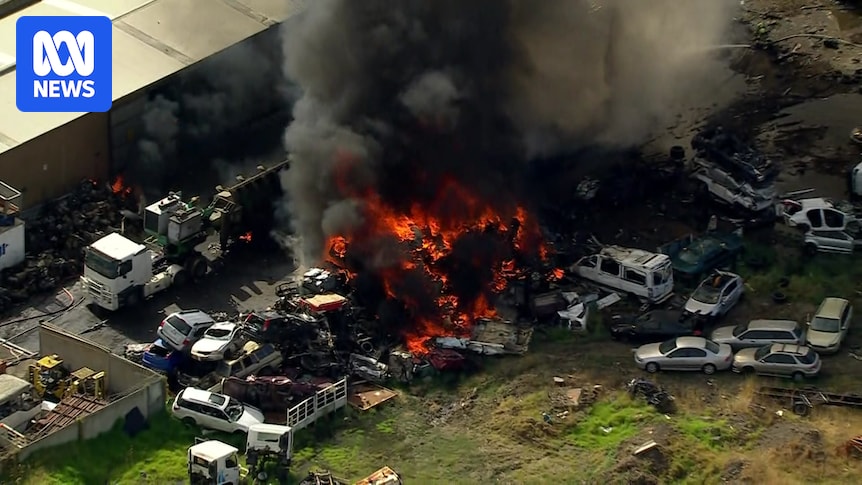
Geelong Gas Bottle Blasts: Immediate Evacuation Warning Issued Amidst Explosive Hazard
The quiet hum of an ordinary Tuesday afternoon in North Geelong was shattered by a series of powerful explosions, prompting an immediate and urgent emergency warning for residents. What began as a local industrial incident rapidly escalated into an "EXPLOSIVE HAZARD," leading authorities to issue a critical "Leave Immediately" directive for areas surrounding Thompson Road and Armstrong Street. This critical event serves as a stark reminder of the unpredictable nature of industrial incidents and the paramount importance of swift emergency response and community awareness.
The incident, which unfolded on Tuesday, March 3, 2026, at approximately 4:06 pm, originated from a business located at the intersection of Thompson Road and Armstrong Street. The cause, confirmed by emergency services, was identified as multiple gas bottles, triggering a chain of blasts that posed a significant threat to life and property. The sound of these emergency Geelong explosions reverberated across the area, creating an atmosphere of immediate danger and prompting a rapid, coordinated response from fire and emergency crews.
Unfolding Crisis: Geelong Gas Bottle Blasts Trigger Evacuation
The initial hours of the crisis were marked by intense activity and an overarching sense of urgency. The "EMERGENCY WARNING - EXPLOSIVE HAZARD - Leave Immediately" message was unequivocal, advising anyone within the specified warning zone to evacuate without delay. The core of the danger stemmed from the instability and potential for further detonations of gas bottles involved in the incident. Such events can release highly flammable gases and create devastating blast waves, making the immediate vicinity extraordinarily perilous.
Emergency services quickly established a perimeter, declaring the area extremely dangerous and strictly prohibiting entry. The decision to evacuate is never taken lightly, particularly in densely populated areas, but the nature of an explosive hazard leaves no room for hesitation. Residents were urged to pack essential items, secure their homes, and proceed to safer locations, following the advice of emergency personnel. This rapid deployment of resources and clear communication was vital in managing the immediate threat posed by the explosions rocking North Geelong Thompson Road.
The incident highlights the inherent risks associated with industrial operations, especially those involving the storage and handling of compressed gases. While stringent safety protocols are typically in place, unforeseen circumstances can quickly escalate into major emergencies, underscoring the need for robust emergency preparedness plans for both businesses and the community.
Navigating the Danger Zone: What to Do During an Emergency Evacuation
When an emergency warning is issued, particularly one demanding immediate evacuation, understanding the correct procedures can be life-saving. For residents impacted by the emergency Geelong explosions, the directive was clear: "Leave Immediately." But what does this truly entail?
- Act Swiftly: Do not delay. An "Evacuate Immediately" warning means the danger is imminent and severe.
- Gather Essentials: Grab your emergency kit (water, non-perishable food, first aid, medications, important documents, flashlight, phone charger), wallet, phone, and keys. Only take what you can carry easily.
- Secure Your Home (If Time Allows): Close windows and doors, turn off utilities if advised by emergency services, and lock up. This can help protect your property and prevent further damage.
- Follow Designated Routes: Always adhere to evacuation routes specified by authorities. These routes are chosen to be the safest and most efficient.
- Stay Informed: Tune into local emergency broadcasts, official social media channels, or emergency apps for updates. Never rely on unofficial sources for critical information.
- Communicate: Inform family and friends of your whereabouts. If you have an emergency contact person outside the affected area, notify them.
- Pets: If possible and safe, take your pets with you. Have a pet emergency kit ready.
Understanding the different levels of emergency warnings is also crucial. An "Emergency Warning" signifies an immediate threat to life and property. An "Advice" level, as seen later in this incident, indicates that a threat is reduced, but people should stay informed and exercise caution. The distinction is critical for appropriate action.
The Aftermath: Downgrade, De-escalation, and Recovery
Fortunately, the immediate explosive hazard in North Geelong was contained and mitigated, leading to a crucial downgrade of the emergency warning. By 6:00 pm on the same day, the warning was officially downgraded to an "Advice - Hazardous Materials - Threat is Reduced." This significant shift indicated that while risks might still exist, the immediate danger of further widespread explosions had passed. This positive development brought a collective sigh of relief to the community and emergency responders alike.
The "Threat is Reduced" status signifies that emergency services have brought the incident under control, or that the dangerous substances are no longer an immediate threat to a large area. However, it does not always mean the area is completely safe to re-enter without guidance. Lingering hazards, such as residual hazardous materials, structural damage, or ongoing cleanup operations, can still pose risks. Residents who had evacuated were advised to await further instructions before returning home, ensuring a safe and controlled re-entry process. More details about this phase can often be found in specific updates like the North Geelong Explosion Hazard Reduced: Hazardous Materials Advice.
Preventing Future Incidents: Lessons from the North Geelong Blasts
While the immediate crisis was averted, incidents like the emergency Geelong explosions offer invaluable lessons for industrial safety and community preparedness. For businesses, particularly those handling flammable or explosive materials, these events underscore the necessity of:
- Regular Safety Audits: Comprehensive and frequent inspections of equipment, storage facilities, and operational procedures.
- Robust Storage Protocols: Ensuring gas bottles and other hazardous materials are stored according to the highest safety standards, away from ignition sources, in well-ventilated areas, and secured against damage.
- Employee Training: Equipping staff with the knowledge and skills to identify potential hazards, respond to emergencies, and follow evacuation procedures.
- Emergency Response Plans: Developing and regularly rehearsing detailed emergency plans, including protocols for fire suppression, hazardous material containment, and communication with emergency services.
For the wider Geelong community, the blasts highlight the importance of understanding local industrial operations and having personal emergency plans in place. Knowing your evacuation routes, understanding warning signals, and having an emergency kit ready are proactive steps that can make a profound difference when disaster strikes.
Staying Prepared: Essential Emergency Resources for Geelong Residents
Being prepared is the best defence against the unpredictability of emergencies. For residents in Geelong and surrounding areas, several resources are available to help you create or refine your emergency plan:
- VicEmergency: This is Victoria's primary source for emergency information and warnings. Download the app, visit the website, or follow their social media channels.
- CFA (Country Fire Authority): Provides extensive information on fire safety, emergency plans, and community safety initiatives.
- SES (State Emergency Service): Offers advice on preparing for floods, storms, and other natural disasters, as well as general emergency preparedness tips.
- Local Council Websites: Your local council often provides specific information tailored to your region, including local emergency relief centres and community support services.
Creating a household emergency plan that includes contact numbers, meeting points, and evacuation routes is a fundamental step. Practicing this plan with your family ensures everyone knows what to do if an emergency Geelong explosion or any other significant incident occurs in your area. Regular reviews of your emergency kit and plan keep you ready for any unforeseen event.
The incident on Thompson Road serves as a powerful reminder that while emergency services work tirelessly to keep us safe, individual and community preparedness is paramount. By staying informed, understanding warnings, and having a robust emergency plan, residents can significantly enhance their safety and resilience in the face of unexpected crises.